If you run a hotel, manage a front desk, or sit in the revenue office, you have probably heard plenty of noise about artificial intelligence over the past two years. Some of it is real. A lot of it is sales talk. This article is for the owner, the general manager, and the operations or revenue lead who has spent a career reading people and reading the floor, and who wants a plain answer to one question. What are actual hotels actually doing with AI right now, and is any of it worth the money?
We looked at ten real hotel companies, from global chains like Marriott and Hilton down to a single 86-room property in Taipei. We pulled the details from official press releases, independent trade reporting, a Harvard Business Review case, and one academic study about a robot hotel that did not go to plan. Where a number comes from a vendor trying to sell you something, we say so. Where it comes from an independent source, we say that too. No invented figures. No magic.
The short version: The big chains are putting AI on the booking side first, with trip planners and concierge chatbots from IHG, Hilton, Marriott, and Accor. The clearest wins so far are in operations, where Premier Inn reports one million fewer calls. AI does not always work: Japan's Henn na Hotel built a fully robot-staffed property and then removed about half the robots because they created more work than they saved. Independent and boutique hotels often see returns faster than the giants, because they can install one tool in one building and measure it next week. And you do not need to be a programmer to use any of this.
AI concierge and guest messaging
The oldest and most common use is a chat or text assistant that answers guest questions any hour of the day. Think of it as a front desk that never sleeps and never builds a queue. The good versions hand off to a real person the moment the question gets human.

Renaissance Hotels (Marriott) is a brand built around the idea of a well-connected local who knows the city. In late 2023 it launched a pilot called RENAI, short for Renaissance Artificial Intelligence. A guest scans a QR code in the lobby or the room and starts a conversation by text or WhatsApp.
The assistant runs on ChatGPT, but the recommendations are not pulled from the open internet alone. They come from a curated directory, a kind of digital black book, that human staff called Navigators vet and refresh. So the AI handles the speed and the around-the-clock part, and people keep the taste and the judgment. Marriott started the pilot at three properties in Charleston, Dallas, and Nashville, with plans to expand to more than 20 hotels. This is independently reported by Hotel Dive and Marriott's own newsroom.
Premier Inn (Whitbread) is the largest hotel brand in the United Kingdom. It is not a luxury name. It is a value brand running thousands of rooms, which makes its operations story the most relevant one here for most owners. Whitbread put chatbots and voicebots in front of routine guest questions, the kind that used to mean a phone ringing at a busy desk.
The company reported that this change led to one million fewer calls to hotel staff. That figure comes from independent trade coverage in The Caterer, reporting on Whitbread's transformation plan. One million fewer interruptions is real time handed back to the people on the floor, and it is the clearest labor argument in this whole list. We come back to Premier Inn under operations below, because the chatbot is only half of what they are doing.
Generative trip planning and booking
This is where the giant chains are putting their biggest bets. The idea is to catch the guest earlier, at the dreaming stage, before they have even picked a city, and guide them all the way to a booking inside the brand's own app or website instead of a third-party travel site.

IHG Hotels and Resorts runs more than 6,000 hotels across brands like InterContinental, Holiday Inn, and Crowne Plaza. In April 2024 it announced a travel planner built with Google Cloud, using Vertex AI and Google's Gemini models, inside the IHG One Rewards mobile app.
The first focus was the dreaming phase of a trip. A guest can describe the kind of getaway they want, and the planner suggests destinations across IHG's hotels in more than 100 countries, then answers follow-up questions using Google's general knowledge paired with IHG's own data. The point is to keep the guest inside IHG's app from the first idea to the booked room, instead of losing them to a search engine. This is reported by IHG's official release and covered independently by Skift and Hotel Dive.

Hilton introduced its own version, the Hilton AI Planner, a conversational concierge on hilton.com that helps a traveler decide where to go, compare properties, and explore amenities.
You can ask it something loose, like where to stay during peak cherry blossom season, or a beach trip this summer for a family, and it responds with options and asks follow-up questions to narrow the choice. It started in beta for a small slice of customers and, by Hilton's account, opened to all hilton.com visitors in March 2026. Hilton says it expects the planner to get more predictive over time, learning from past behavior. This is from Hilton's official announcement and independent coverage in Hotel Dive and The Points Guy, which actually tested the tool.
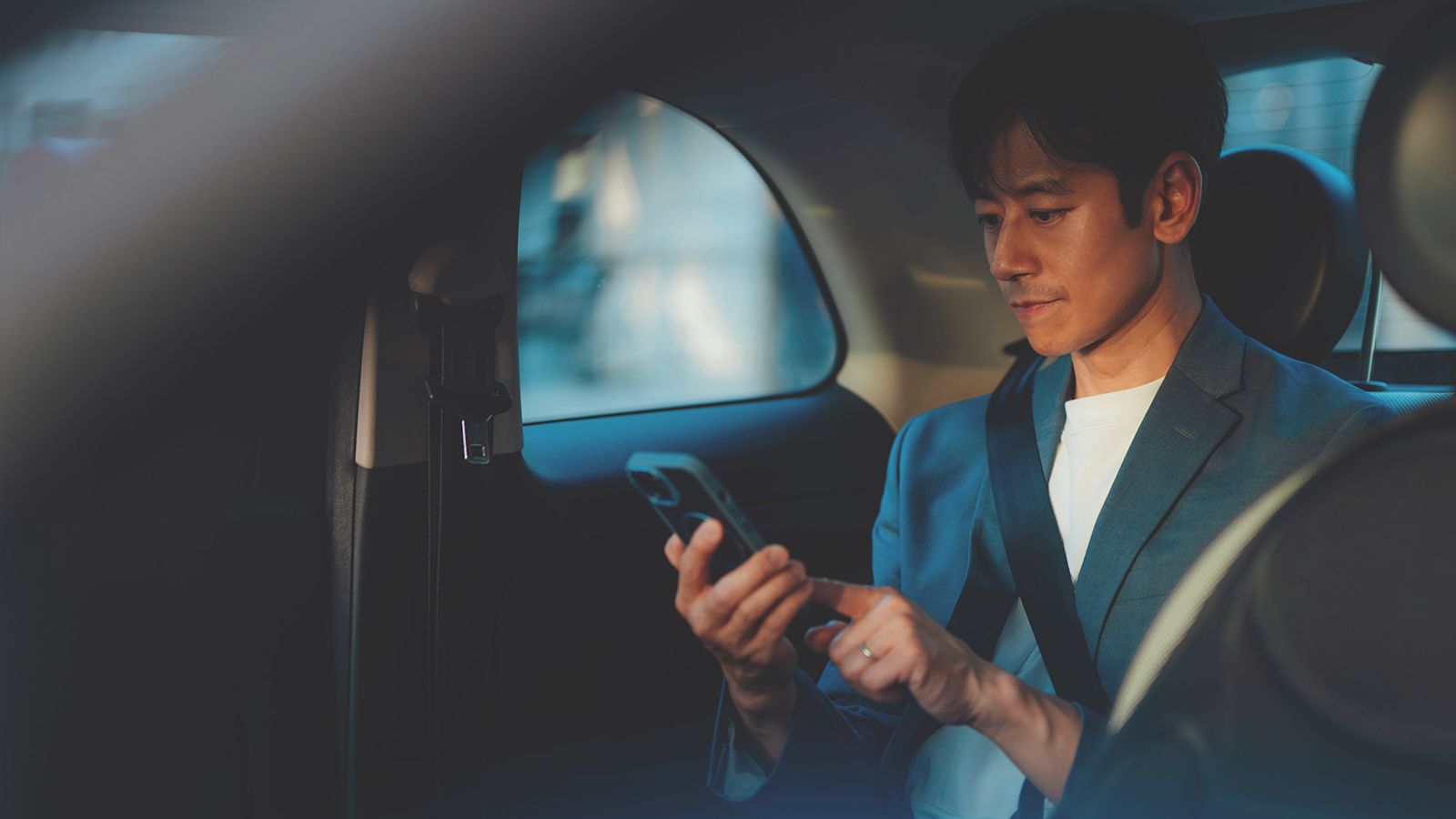
Accor is the large European group behind brands like Sofitel, Novotel, and ibis. It built a travel assistant with Amazon Web Services that leans on the same trip-planning idea but pushes harder on the booking itself.
The assistant learns guest preferences and pulls from millions of online sources and trusted reviews to recommend not just rooms but local food, shopping, and entertainment. Accor's stated goal is to cut the booking process down to a few minutes while raising conversion and reducing call volume at its contact center. Separately, Accor worked with Deloitte on a global cloud telephony platform with AI services layered in. The travel assistant and the AWS work are reported independently. The exact contact-center speed gains are Accor's own figures, so treat those as company-stated rather than independently audited.
In-room voice and the smart room
The next job is the room itself. Voice control for lights, temperature, and the television, plus spoken answers to simple questions so the guest does not have to call down. This is older than the chatbot trend, and it is also where the most famous failure lives.
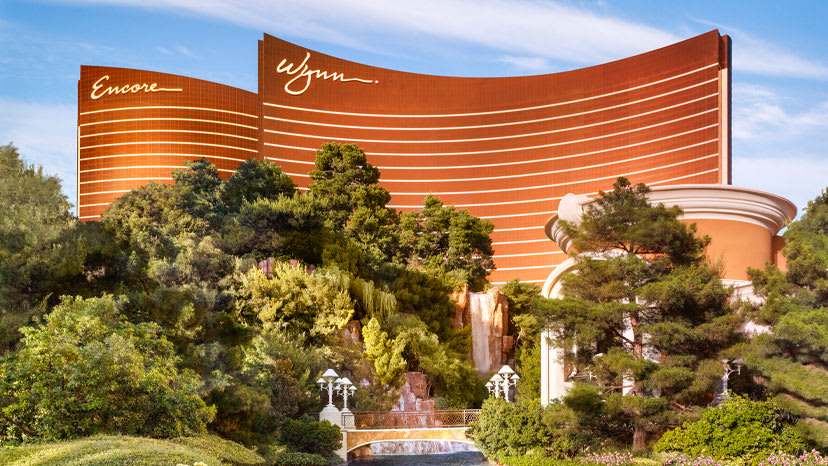
Back in 2016, Wynn Las Vegas became the first hotel in the world to put an Amazon Echo with Alexa in every single one of its rooms. That was 4,748 rooms, which made it a landmark moment for the whole industry.
Guests could use their voice to control lights, room temperature, the drapes, and the television, and to get basic information about the room and the hotel without picking up the phone. It was a simple idea executed at full scale, and it showed every other operator that voice in the room was possible. This is from Wynn's own press release in 2016 and wide independent coverage at the time.

Aiello is a Taiwan-based vendor whose product, the Aiello Voice Assistant or AVA, is a more modern take on in-room voice built for hospitality. In April 2025 the new Capella Taipei, an 86-room luxury property, opened with AVA in every room and suite.
Guests use voice to adjust lighting and the television and to get recommendations for exploring Taipei, in several languages, any hour of the day. Behind the scenes AVA connects to the hotel's property management and task systems, so a spoken request can become a work order without a person retyping it. Aiello markets figures such as a roughly 30 percent drop in front desk workload and large gains in request handling. Those are vendor-claimed numbers tied to named clients, not independently audited results, so read them as a sales claim rather than a guarantee. The Capella Taipei rollout itself is real and confirmed by press coverage.
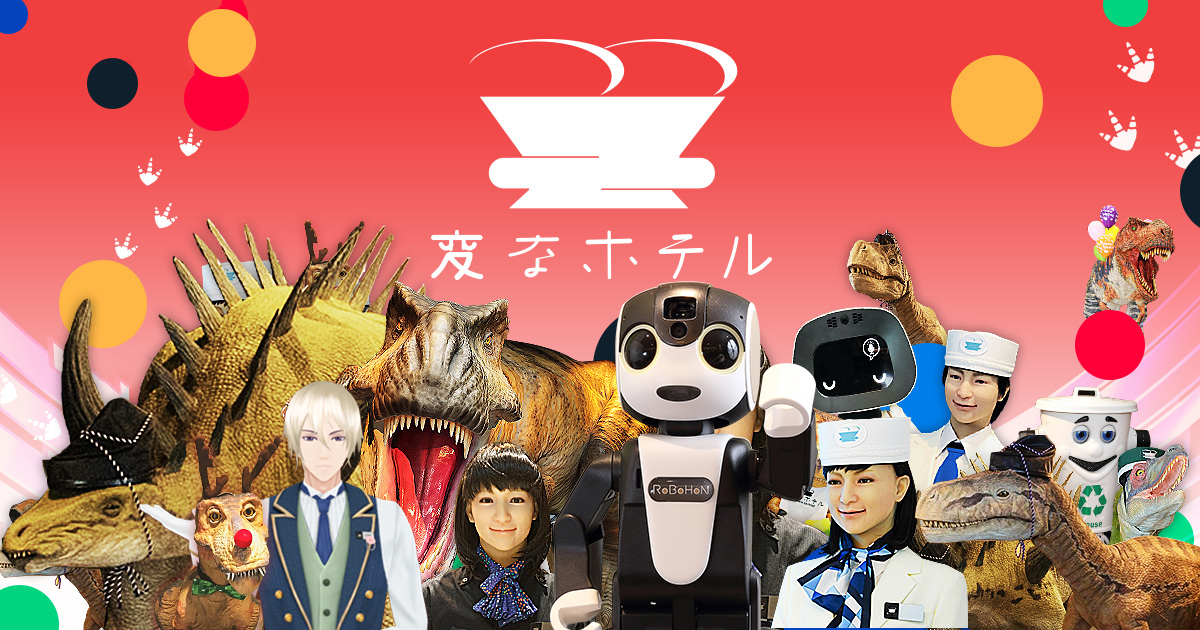
Henn na Hotel, run by Japan's HIS group, opened in 2015 and was recognized by Guinness World Records as the world's first robot-staffed hotel. Robot dinosaurs at the front desk, robot porters, and an in-room assistant called Churi that replaced the telephone.
It did not go to plan. The hotel removed more than half of its 243 robots after years of complaints from guests and staff. Churi could not answer many real questions, and because it had replaced the phone, a guest with a problem had no one to call. One guest reported that the in-room robot kept waking him because it mistook his snoring for speech. Staff ended up working overtime to repair machines that broke down. This is documented in an academic case study on ScienceDirect and in trade coverage. The lesson is not that voice in the room is bad. Wynn and Aiello show it can work. The lesson is that replacing people with a gadget that cannot do the job creates more work, not less. AI is a tool for your staff, not a substitute for thinking about the guest.
Reviews, sentiment, and personalization
Long before chatbots got popular, the smartest use of machine learning in hotels was reading what guests already write. Reviews, surveys, and social posts hold an enormous amount of signal that no manager has time to read by hand. AI reads all of it and points you to the pattern.

Dorchester Collection is a small group of ultra-luxury hotels, including the Beverly Hills Hotel and The Dorchester in London. Years ago, well before the current AI wave, it built a machine learning tool called Metis that reads online reviews and social media to find sentiment patterns across its properties.
Two findings show why this matters. Metis revealed that guests wrote far more about breakfast than dinner, and that they loved to customize breakfast so much that kitchens reported 80 to 90 percent of orders were modified. So at the Beverly Hills Hotel a waiter now simply asks what you want, with no menu at all. Metis also found that guests viewed Paris five-star hotels as interchangeable, with little loyalty to any one. The most important part of this story is the discipline behind it. Dorchester's own leaders have said the data tells you where a problem is, not why it exists or how to fix it. That still takes a person. This case is documented in Harvard Business Review, which makes it one of the most credible examples on this list. It is also a reminder that AI in hotels did not start in 2023.
Operations, housekeeping, and labor
This is the section that pays the bills. Front-of-house demos get the headlines, but the steadiest returns are in the back of the house, where AI quietly removes repetitive work from people who are already stretched thin.
We met Premier Inn (Whitbread) earlier as a chatbot story, but the operations side is the bigger deal. Whitbread folded AI into housekeeping and other manual processes as part of a wider plan to modernize how its hotels run.
Paired with the chatbots and voicebots that cut one million calls, the housekeeping work aims at the same target, which is giving hours back to staff so they spend them on guests rather than on routine queries and paperwork. For a value brand running thousands of rooms on tight margins, even small time savings per room add up fast across the estate. This is reported independently in The Caterer.
citizenM is a fast-growing affordable-luxury brand built from the start around self-service. There is no traditional front desk. Guests check in at a kiosk or in the app, an ambassador stands nearby to help, and a digital key is ready in about a minute.
To keep that lean model working, citizenM runs its network on Juniper's Mist AI. The system uses AI for operations, what the vendor calls AIOps, to spot and fix network problems before a guest notices, without sending a technician to the building. For a brand whose whole promise is a smooth self-service stay, a Wi-Fi outage is not a small thing, so the AI is protecting the core experience. The Mist AIOps and kiosk check-in are confirmed by Juniper and Computer Weekly. Note that the network intelligence is the documented part. Treat any specific performance percentages from the vendor as vendor-claimed.
Revenue management and dynamic pricing
The last job is the one your revenue manager already knows, just sped up. Hotels have priced rooms by demand for decades. What AI adds is the ability to read far more signals, far faster, and to suggest a price for tonight that a spreadsheet would take hours to reach.
Here it is worth being straight with you. The companies above are the clearest public, named examples of AI inside hotels, and their headline work sits in planning, concierge, voice, reviews, and operations rather than in a single famous pricing tool. Revenue management is the most common AI use of all across the industry, but most of it runs through pricing software like IDeaS, Duetto, and similar systems that hotels buy and rarely brand publicly. So rather than name a company that has not put its pricing results on the record, the honest summary is this. Dynamic pricing driven by machine learning is now standard in large hotels. It reads competitor rates, local events, booking pace, and weather, and it recommends a rate. The human revenue manager still sets the strategy and overrides the model when a big group or a one-off event changes the picture. AI handles the volume of small daily decisions. The person handles judgment.
You will notice a pattern across all six jobs. The tools that worked best kept a person in the loop. RENAI has human Navigators. Dorchester pairs Metis with human investigators. The one project that tried to remove people entirely, Henn na Hotel, is the one that pulled the robots back out.
What this means for the chains versus the independents
One pattern is worth saying plainly because it runs against what you might expect. The giant chains are spending the most and moving the slowest, while independent and boutique hotels often see a return faster. Industry observers at outlets like PhocusWire have made this point. The big chains have to build for thousands of properties, get legal and brand standards aligned, and run long pilots before anything ships. Hilton's planner was in limited beta for months. IHG announced its planner and then rolled features out over the following year.
A single independent hotel does not carry that weight. It can put one voice assistant in its rooms, or one chatbot on its booking page, and know within a couple of weeks whether calls went down and guests were happier. Capella Taipei is one property and it went live with AVA on opening day. If you run one hotel or a small group, that is good news. Your size is an advantage here, not a handicap. You can test something small, measure it honestly, and keep it or kill it without a committee.
How to think about your first step
If you take one thing from these ten examples, let it be this. Start with the job that wastes the most of your team's time, not the one that looks most impressive in a demo. For most hotels that is the same handful of repeated guest questions, the review reading that never gets done, and the routine messages that pull staff off the floor.
You also do not need to buy an expensive platform to begin. A general assistant like Claude or ChatGPT, used well by a manager who knows the property, can draft replies to reviews, summarize a month of guest feedback, write the first version of a policy, or answer a staff question about a procedure in seconds. The skill that matters is knowing how to ask and how to check the answer, because these tools are confident even when they are wrong. That is a learnable habit, and it is exactly the kind of practical, hands-on AI we teach at The Leveraged Years for professionals who have run real businesses and do not have time for jargon.
Frequently asked questions
Will AI replace front desk and hotel staff?
Based on these real examples, no, and the clearest evidence is the failure. Henn na Hotel tried to run almost entirely on robots and had to remove more than half of them because they made more work, not less. The tools that succeeded, from Renaissance to Dorchester to Premier Inn, all kept people in charge and used AI to remove repetitive tasks. The realistic outcome is fewer routine interruptions for your staff, so they spend more time on guests, not a smaller team doing the same work worse.
How much does it cost to get started?
It depends on what you choose. A branded in-room voice system or a full concierge platform is a real capital project with vendor contracts. But you can start much smaller. A general AI assistant subscription costs a few dollars a month per person, and a manager can use it today to handle reviews, draft guest replies, and answer staff questions. Many hotels prove the value with that simple step before they spend on anything bigger.
Are the impressive numbers in vendor pitches trustworthy?
Treat them with care. In this article the figures from Premier Inn, IHG, Hilton, Marriott, and the Dorchester case come from official releases or independent reporting, including Harvard Business Review. Figures from a vendor selling a product, like Aiello's front desk reduction claims or any specific percentage in a sales deck, are the vendor's own and are not independently audited. Always ask a vendor for a named hotel you can call and for how the number was measured.
My hotel is small. Is AI only for the big chains?
The opposite is closer to the truth. Independent and boutique hotels often see a return faster because they can install one tool in one building and measure the result within weeks, while the big chains spend months in pilots. Capella Taipei launched its voice assistant with 86 rooms on opening day. Your smaller size lets you test, measure, and decide quickly.
What is the single best first use of AI in a hotel?
Reading and acting on guest feedback. It is low risk, it does not touch the guest directly, and it pays off immediately. Dorchester Collection built an entire program around it and found things no manager had spotted, like how much guests cared about breakfast customization. You can do a simpler version this week by asking an AI assistant to summarize your last few hundred reviews and tell you the three problems guests mention most.